
Is Blue Light Bad for Your Eyes? A Guide to Computer Glasses



Let’s answer the question a lot of screen-heavy readers are asking: is blue light bad for your eyes? The short answer, based on current eye care research, is more nuanced than most headlines suggest. Blue light from phones, laptops, and TVs is tied to real issues like disrupted sleep, and it can play a role in the discomfort we call digital eye strain, but there is no solid evidence it damages the retina or causes permanent eye disease.
Below, we break down what blue light actually is, what it does and doesn’t do to your eyes, and how computer glasses like Zenni’s Blokz lenses fit into a broader strategy for comfortable, screen-heavy days.
What is blue light?
Blue light is the high-energy, short-wavelength light on the visible spectrum. It penetrates deeper into the eye than most other visible wavelengths, which is part of why it gets so much attention. It’s emitted by digital screens, LED and fluorescent lighting, and, in much larger amounts, sunlight. In fact, the sun remains the single biggest source of blue light exposure for most people. Screens are a smaller but more concentrated source, mainly because we hold phones, laptops, and tablets close to our faces for hours at a stretch, often well into the evening when natural blue light exposure from the sun would otherwise be winding down.
That distinction matters: cutting out screens entirely wouldn’t eliminate your blue light exposure, since a walk outside on a sunny afternoon delivers far more of it than a laptop screen ever will. What’s different about screens is the timing and proximity, not necessarily the intensity.
Digital Eye Strain: What’s Really Causing It
Staring at screens for long stretches is strongly linked to digital eye strain. Common symptoms include dry, sore, or burning eyes, watery or itchy eyes, blurred or double vision, headaches, light sensitivity, and trouble concentrating. But here’s the part current research asks us to correct: the evidence doesn’t point to blue light itself as the main driver of these symptoms. Most eye doctors attribute digital eye strain to reduced blinking during screen use and the focusing fatigue that comes from staring at a fixed distance for hours, not to blue light wavelengths passing through the lens. That’s why habits like the 20-20-20 rule matter as much as, or more than, any lens coating. For a full breakdown of these habits, see our guide to strategies for reducing digital eye strain.
Circadian Rhythm and Sleep Disruption
Where the evidence is strongest is sleep. Blue light exposure in the evening suppresses melatonin, the hormone that regulates your sleep-wake cycle, which can make it harder to fall asleep and lower the quality of the sleep you do get. This effect is well-documented and is the main reason health professionals recommend limiting screen time before bed or switching devices to night mode in the evening hours. Unlike some of the more dramatic claims made about blue light, this one holds up consistently across research, making it the single best-supported reason to manage your evening screen exposure.
Does Blue Light Cause Long-Term Eye Damage? What the Research Actually Shows
For years, blue light from screens was blamed for long-term problems like macular degeneration. Current research doesn’t support that claim. A 2018 Cochrane review found no evidence that blue-light-filtering lenses reduce the risk of macular degeneration, and the American Academy of Ophthalmology has stated there is no proof that blue light from digital screens causes permanent damage to the retina or leads to eye disease. Some lab studies on animal or cell tissue have raised theoretical questions, but those results haven’t translated into confirmed risk for human eyes. So what’s actually happening when your eyes feel worse for wear after a long day at the computer? It’s could be sleep disruption and the discomfort of extended screen time, not permanent retinal harm, and that distinction matters for how you should think about defending your eyes.
Do Blue Light Glasses Actually Work?
This is a fair question, and the honest answer is: it depends what you’re hoping they’ll do. Blue light glasses do measurably reduce the amount of blue light reaching your eyes, that part is easy to verify in a lab. What’s less settled is whether that reduction translates into noticeably less eye strain or better long-term eye health. The American Academy of Ophthalmology stops short of recommending blue light glasses specifically to protect your eyes, citing insufficient evidence that they reduce eyestrain or improve eye health outcomes. That’s a more conservative stance than a lot of marketing around blue light glasses suggests, and it’s worth knowing going in. Many people still find them more comfortable for evening screen use, and that’s a reasonable reason to wear them, just not the same as a proven medical treatment.
The role of computer glasses
Computer glasses are built to filter a portion of the blue light reaching your eyes while letting other visible light through normally. With more people working remotely and spending hours on laptops, tablets, and smartphones for both work and everyday life, many find that computer glasses make screen-heavy days more comfortable, even if the eye-health case is still being studied. The shift toward remote and hybrid work, along with the sheer amount of time most of us now spend on phones outside of work hours, has made this kind of everyday comfort feature more relevant than ever.
Computer glasses won’t reverse or prevent disease, but plenty of wearers say they help take the edge off long video calls, late-night scrolling, and back-to-back virtual meetings. If your day is split between a desktop monitor, a laptop, and a phone screen in the evening, that added layer of comfort can add up over the course of a week, even without a dramatic before-and-after difference.
Choosing the right computer glasses
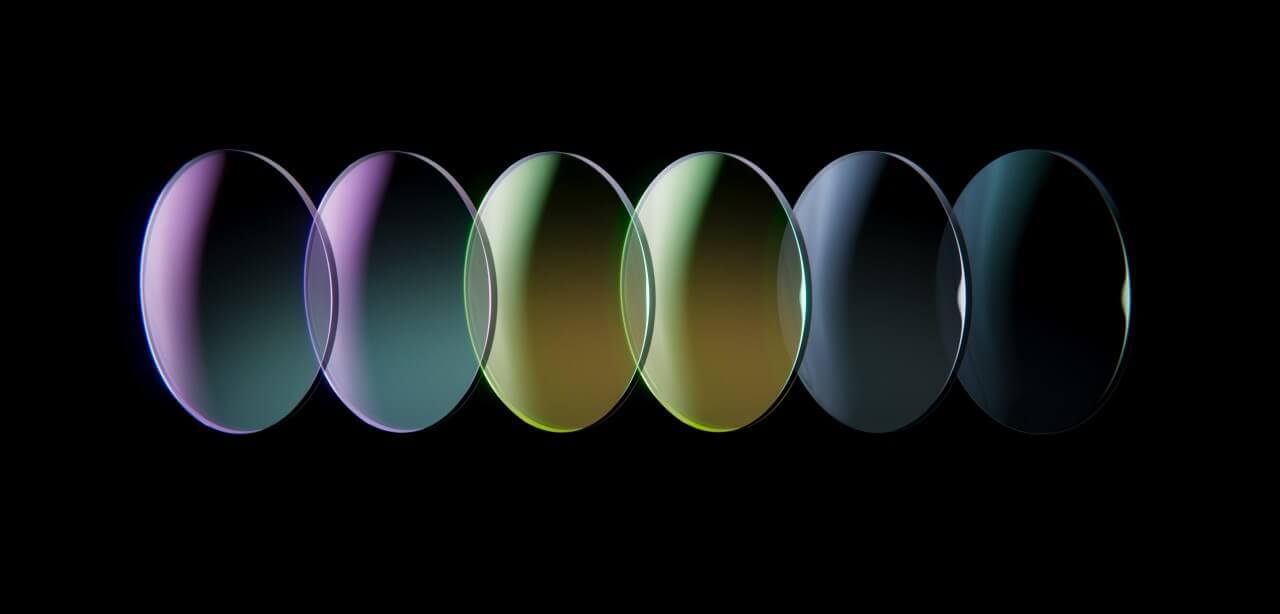
Rather than chasing a single percentage, it helps to look at what each lens option actually filters. Zenni’s Blokz Core lenses filter about 40% of blue light and are a solid everyday option for anyone easing into computer glasses for the first time. Blokz Plus Anti-Fatigue lenses step that up to 60% filtration with a slight yellow tint, a popular choice for people who spend most of the day on a single-vision prescription in front of a screen. Blokz More, Zenni’s newest lens, adds a reflective coating that delivers up to twice the blue light defense of the original Blokz Core lens in the 440-450 nanometer range, and it’s been independently tested by COLTS Labs. Every Blokz lens also includes 100% UV protection and an anti-scratch coating, which is worth calling out because UV exposure, unlike blue light, is proven to contribute to cataracts and other eye damage over time.
There are also different lens formats to consider, such as tinted lenses if you want a stronger filter with a visible tint, versus a clear blue light filter for everyday wear. Beyond the lens itself, look for an anti-reflective coating to cut glare, and pay attention to frame fit. Lightweight frames and comfortable nose pads can make a real difference during long stretches of wear, so it’s worth trying a few styles to see what feels best on your face rather than assuming one size fits all. Zenni’s Blokz lenses were also recently featured in SELF Magazine’s roundup of the best blue light glasses, a nod to the line’s popularity well beyond Zenni’s own customer base.
Blue Light Glasses for Reading
If your main strain comes from books, menus, or up-close screen work rather than a computer monitor, blue light filtering can also be combined with magnification in a single pair. Blue light reading glasses pair a reading prescription with a blue light filter, which is useful if you split your time between a laptop and print, or if you need help focusing up close as well as filtering screen light. This combination is a good fit for anyone who has started needing reading glasses but still spends a big chunk of the day in front of a screen.
Tips for reducing blue light exposure without computer glasses
Computer glasses are one option, not the only one. A few habits can meaningfully cut down on screen-related eye discomfort and sleep disruption without any special lenses at all:
- Follow the 20-20-20 rule: every 20 minutes, look at something 20 feet away for at least 20 seconds. This is one of the most consistently recommended habits for reducing digital eye strain.
- Turn on night mode or a warmer color setting on your phone, tablet, or computer, especially in the evening hours.
- Adjust screen brightness and room lighting so your screen isn’t the brightest thing in the room.
- Keep screens at arm’s length and roughly eye level to reduce focusing fatigue.
- Use artificial tears if your eyes feel dry after extended screen time.
- Build in a screen-free window before bed to protect your sleep cycle and give melatonin production a chance to recover.
For more detail on each of these habits, see our full guide to strategies for reducing digital eye strain.
Closing Thoughts
So, is blue light really the villain it’s made out to be? The clearest evidence points to possible disrupted sleep and general screen discomfort, not permanent eye damage, and that’s a more grounded way to think about your screen habits than headlines about retinal harm. Blue light glasses won’t cure digital eye strain, but paired with habits like the 20-20-20 rule and good screen hygiene, they’re a reasonable, low-effort way to make long screen days more comfortable. Shop Zenni’s Blokz blue light glasses to find a lens that fits how you actually use your screens, whether that’s back-to-back meetings, late-night reading, or everything in between.

About the Author: Dr. Steven Lee
Dr. Steven Lee is a visionary leader in the eye care and telemedicine sectors and has built a remarkable career by combining his formal training in eye care, engineering expertise, and a passion for innovation. Dr. Lee serves as Zenni’s the Head of Optical Product.
FAQs
Is blue light bad for your eyes?
Not in the way many people assume. There’s no strong evidence blue light from screens causes permanent eye damage or diseases like macular degeneration. There’s anecdotal evidence that it might disrupt sleep and contribute to the discomfort of digital eye strain, mainly because of reduced blinking and focus fatigue during long screen sessions, rather than the blue light wavelength itself.
Why is blue light bad for your eyes in the evening specifically?
Blue light exposure at night can suppress melatonin production, which can delay sleep onset and reduce sleep quality. This is the most well-supported downside of blue light exposure, more so than any confirmed impact on the eyes themselves.
Do blue light glasses actually reduce eye strain?
They reduce the amount of blue light reaching your eyes, which is measurable in a lab setting. Whether that translates into less eye strain varies by person. Research hasn’t confirmed a consistent benefit, though many wearers report more comfortable screen time, especially in the evening.
What’s the difference between Blokz Core, Blokz Plus, and Blokz More?
Blokz Core filters about 40% of blue light, Blokz Plus Anti-Fatigue filters about 60% with a slight tint, and Blokz More adds a reflective coating for up to twice the blue light defense of Blokz Core in the 440-450nm range. All three include 100% UV protection and an anti-scratch coating.
Can I get blue light protection in reading glasses?
Yes. Blue light reading glasses combine a magnification prescription with a blue light filter, which is useful if you read and use screens throughout the day and don’t want to switch between two pairs.
Does the 20-20-20 rule actually help with screen fatigue?
Yes, it’s one of the most consistently recommended habits for reducing digital eye strain, since it gives your focusing muscles a regular break rather than holding a fixed distance for hours at a stretch.
What else can I do besides wearing computer glasses?
Follow the 20-20-20 rule, switch on night mode in the evening, adjust screen brightness, keep screens at arm’s length, use artificial tears if your eyes feel dry, and build in screen-free time before bed.




 United States