
How to Know If Your Child Needs Glasses



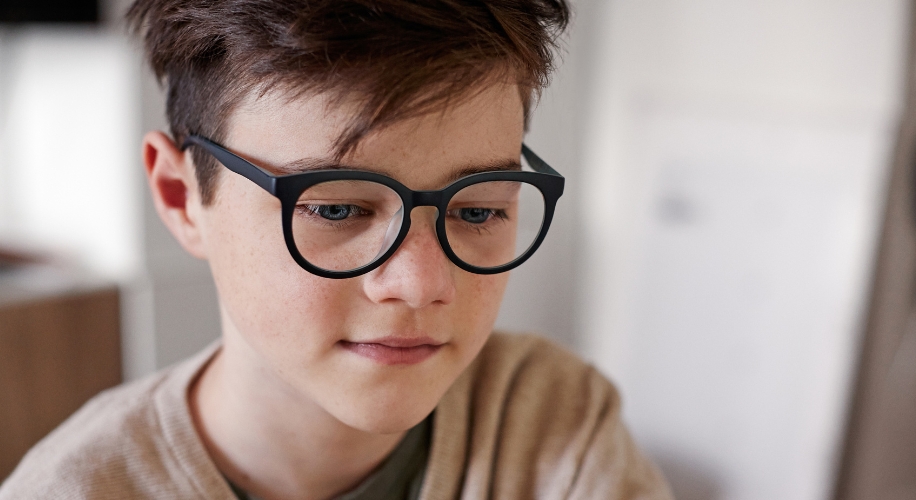
Understanding whether your child needs glasses can sometimes be tricky, and that’s the whole challenge: kids usually don’t know their own vision is off. Blurry vision feels normal to them if it’s the only vision they’ve ever had, so they rarely say “I can’t see.” That’s why knowing how to know if your child needs glasses often comes down to watching behavior rather than waiting for a complaint. None of the signs below are a diagnosis on their own, but together they’re a good reason to book an exam sooner rather than later.
Common Signs to Watch For
Look for squinting, frequent eye rubbing, head tilting, or covering one eye to see better; these are some of the clearest physical clues. Sitting inches from the TV or holding books close to the face can point to nearsightedness. Complaints of headaches or tired eyes after reading or homework often mean a child is straining to focus. A sudden drop in interest in reading or schoolwork, slipping grades, or trouble paying attention can also trace back to vision rather than motivation. Eye misalignment, one eye turning inward or outward, is worth a closer look too, along with clumsiness or trouble catching and throwing a ball, which relies on depth perception. None of these signs are exclusive to vision problems, but a cluster of them showing up together is a good reason to get it checked rather than wait and see.
Common Refractive Errors, Explained
Most of these signs point to one of three common refractive errors. Myopia (nearsightedness) makes distant objects blurry while close-up vision stays clear, the most common cause of squinting at the board or a screen. Hyperopia (farsightedness) is the opposite, close-up tasks like reading feel like more effort. Astigmatism blurs vision at any distance because of an irregularly shaped cornea, and often shows up as headaches or eye strain rather than obvious blurriness.
When It’s More Than a Refractive Error
Some signs point to conditions that need earlier, more targeted treatment. Amblyopia (lazy eye) develops when one eye doesn’t develop normal vision, often without any obvious symptom the child can describe. Strabismus, when the eyes don’t align and one turns in or out, can affect depth perception and, left untreated, may lead to permanent vision loss in the weaker eye. Both are far more treatable the earlier they’re caught, which is part of why regular exams matter even when a child seems to be seeing fine.
What Happens at a Pediatric Eye Exam
Kids who aren’t old enough to read letters can still get a full exam. Optometrists use numbers, shapes, or matching tests instead of the standard eye chart, and non-verbal techniques like retinoscopy and autorefraction can estimate a child’s prescription without them needing to say anything at all. For more detail on how this works if your child struggles with the traditional chart, see our guide on what to expect if your child can’t read the eye chart.
How Often Kids Should Get Their Eyes Checked
The American Optometric Association recommends a first comprehensive exam between 6 and 12 months old, another between ages 3 and 5, then an exam before first grade and annually after that. Regular exams matter because, as we cover in our guide to children’s eye exams, kids can’t always tell you something’s wrong, especially before they have language for it.
Helping Your Child Adjust to Glasses
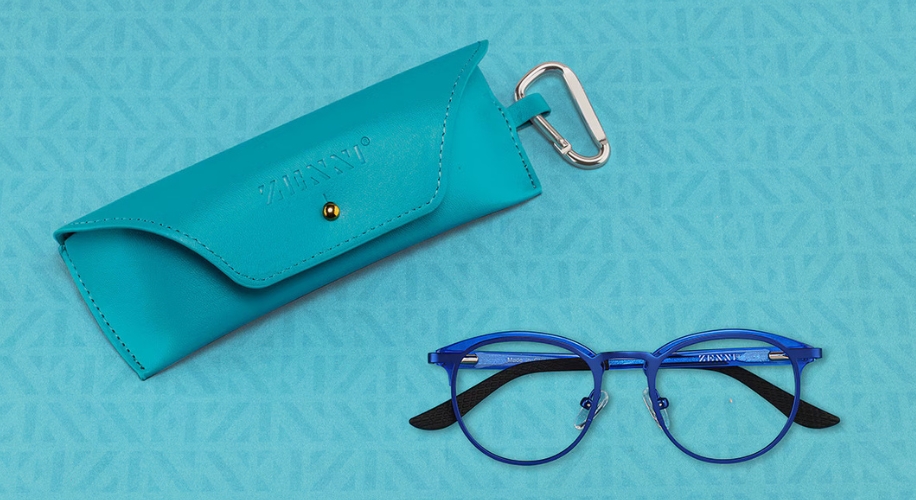
Once glasses are part of the picture, durable, flexible frames matter. Kids are active, and frames need to hold up to recess and gym class. Let your child pick a style they’re excited about. Positive reinforcement goes a long way toward daily wear, and a proper fit (checked and adjusted as they grow) keeps glasses comfortable enough that they’ll actually keep them on. Vision problems can also make reading harder, and clear vision is closely tied to reading confidence and classroom engagement, so getting the fit right matters beyond just comfort.
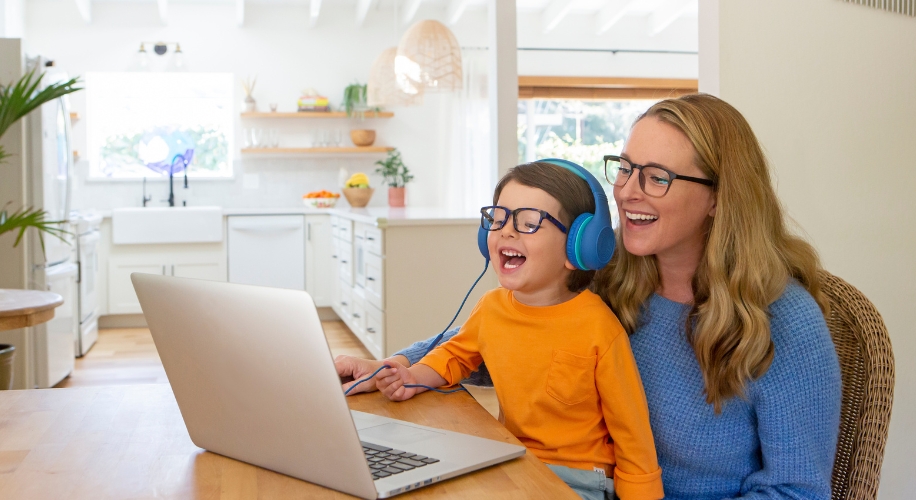
Being aware of these signs can help you identify if your child might need glasses. If you notice any of them, consider scheduling an appointment with an eye doctor. And when it comes time to choosing glasses, remember that Zenni offers a large selection of durable eyewear specifically designed for kids, ensuring they can continue exploring the world with confidence and clarity.

FAQs
How to know if my child needs glasses?
Watch for squinting, eye rubbing, head tilting, covering one eye, sitting close to screens, headaches after reading, declining interest in schoolwork, or trouble with coordination. Since kids can’t always tell you their vision is off, a comprehensive eye exam is the only way to know for sure.
What are the most common vision problems in kids?
Myopia (nearsightedness), hyperopia (farsightedness), and astigmatism are the most common. Amblyopia (lazy eye) and strabismus (crossed eyes) are less common but need earlier treatment.
How often should my child get an eye exam?
The American Optometric Association recommends a first exam between 6 and 12 months, another between ages 3 and 5, then before first grade and annually afterward.
Can my child get an eye exam if they don’t know their letters yet?
Yes. Optometrists use numbers, shapes, matching tests, and non-verbal techniques like retinoscopy to assess vision in children too young to read an eye chart.
Why doesn’t my child complain about blurry vision?
Children usually don’t know their vision is abnormal, since blurry vision feels normal if it’s all they’ve experienced. That’s why watching behavior matters more than waiting for them to say something.
How can I help my child adjust to wearing glasses?
Choose durable, well-fitted frames, let them pick a style they like, and use positive reinforcement. Comfort and fit make the biggest difference in whether a child keeps their glasses on.

Dr. Steven Liem
Dr. Steven Liem, O.D., F.A.A.O. is an optometrist based in Pasadena, California. After obtaining his doctorate from UC Berkeley’s School of Optometry, he completed his residency in Pediatrics, Vision Therapy & Rehabilitation and became a Fellow of the American Academy of Optometry. When he isn’t busy streaming or making Youtube videos about video games, Dr. Liem aims to broaden accessibility to vision health through his involvement in optometric industry and tech.




 United States